August 7, 2026
Managing indoor comfort across changing seasons presents a continuous challenge for both homeowners and commercial building managers. Unfiltered solar radiation pouring through clear glass panes elevates room temperatures, forcing cooling systems to work overtime during hot afternoons. Professional application of high-quality window film creates an effective thermal barrier that stabilizes interior climates, enhances building energy efficiency, and protects interior furnishings year-round.
1. Solar Heat Reduction Balances Room Temperatures
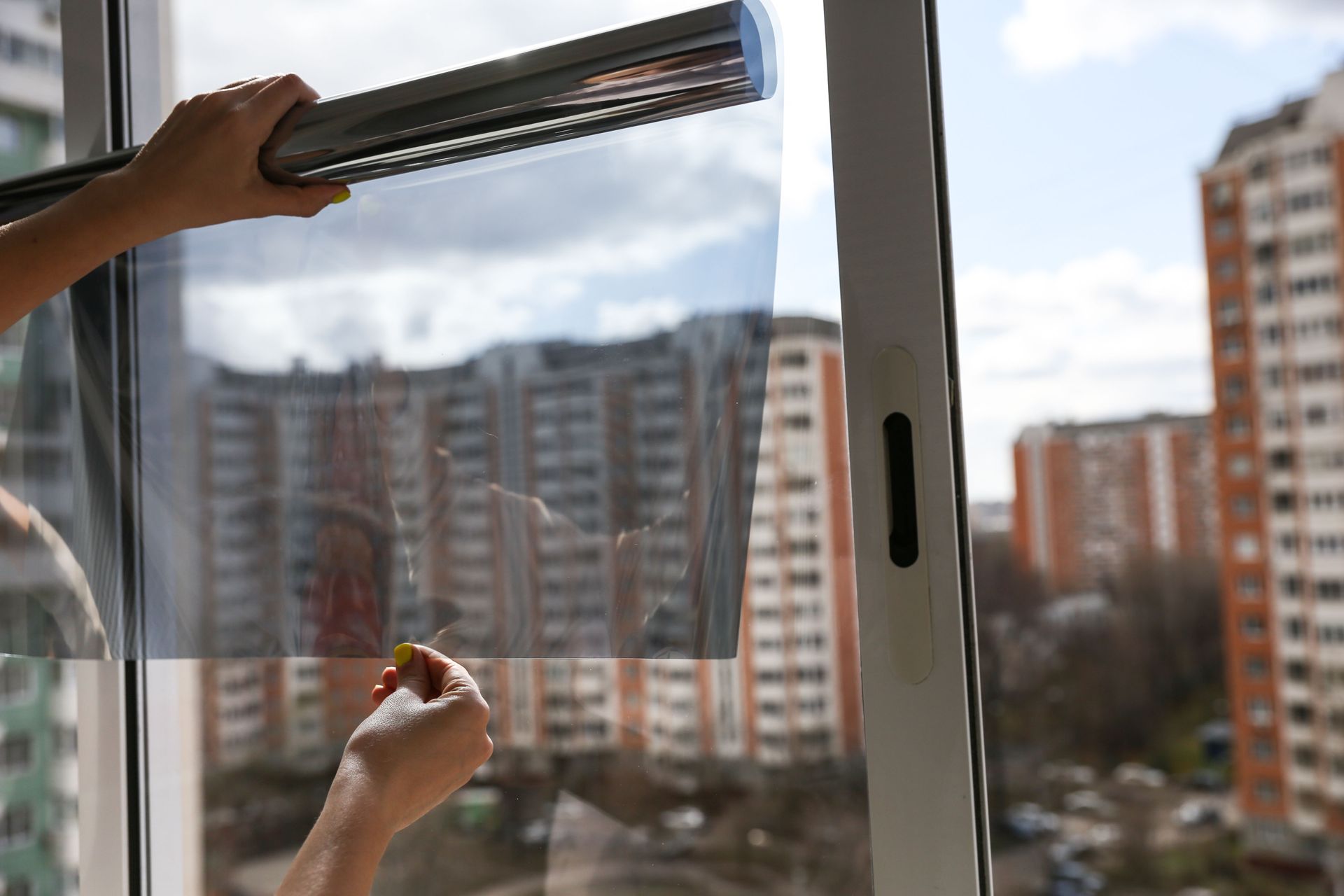
Direct exposure to sunlight causes rapid temperature spikes in rooms with large, unshaded window displays. According to This Old House, high-quality window film can block solar heat and up to 99% of harmful UV rays, which helps reduce indoor heat gain, particularly in rooms that face direct sunlight. Installing residential window tint creates a protective barrier that reflects and absorbs incoming infrared radiation before it penetrates your living space. Blocking this invisible thermal energy prevents hot spots from developing near exterior glass walls, allowing indoor spaces to maintain a consistent, comfortable baseline temperature throughout the day.
This balanced thermal environment makes every room in your home functional and enjoyable, regardless of the sun's position. Rather than avoiding sun-drenched living rooms or top-floor bedrooms during peak afternoon hours, property owners can enjoy full access to their living spaces. Furthermore, controlling solar heat gain at the glass surface prevents thermal shock to interior structural materials, helping preserve the long-term integrity of window seals, frames, and adjacent wall surfaces.
2. Thermal Stabilization Lowers Utility Costs
Uncontrolled heat gain places immense operational strain on central air conditioning units during peak summer months. When cooling systems run continuously to combat solar heat transmission, monthly utility bills rise significantly while mechanical components suffer premature wear. Applying residential window tint reduces the overall thermal load on HVAC equipment, enabling air conditioners to cycle efficiently and maintain target thermostat settings without overworking. Minimizing operational demand on cooling systems yields immediate energy savings, lowers seasonal utility expenditures, and extends the service life of expensive mechanical heating and cooling infrastructure.
Over time, the cumulative savings on monthly energy bills provide a direct financial return on your property investment. Building owners often discover that stabilizing indoor temperatures allows them to set thermostats a few degrees higher in the summer without sacrificing personal comfort. Lowering peak power demand also contributes to broader environmental sustainability efforts by reducing total household carbon output and easing load demands on local energy grids during heatwaves.
3. Glare Control Enhances Daily Living Comfort
Excessive sunlight entering a home or office creates harsh glare on computer monitors, television displays, and polished interior surfaces. High visual glare forces occupants to close traditional blinds or heavy drapes, blocking natural daylight and creating dark, unnatural indoor environments that rely entirely on artificial lighting. Professional residential window tint dampens harsh light reflection while allowing natural daylight to filter through softly without intense heat or glare. Controlling light intensity improves visual comfort for remote work, media viewing, and daily household activities while keeping living spaces bright and open.
Eliminating blinding glare creates a far more versatile indoor environment for modern family lifestyles and home office needs. Residents can comfortably work on laptops, read, or watch television near large windows without straining their eyes or adjusting window coverings throughout the afternoon. Maintaining clear outdoor views while softening harsh sunlight allows you to enjoy natural outdoor scenery and landscape views without enduring uncomfortable brightness or eye fatigue.
4. Winter Heat Retention Supports Seasonal Balance
Temperature control is not limited to summer cooling, as untreated glass windows allow significant heat loss during colder winter months. Standard window glass permits indoor heat generated by furnaces and space heaters to radiate outward into the colder exterior air. Advanced residential window tint features low-emissivity properties that act as an insulating barrier, reflecting radiant interior heat back into living areas. Retaining generated heat during cold weather reduces furnace cycle frequency, stabilizes room temperatures across all seasons, and prevents cold drafts near window frames.
This dual-action thermal protection ensures your property remains energy efficient during both extreme summer heat and harsh winter cold snaps. Eliminating drafty perimeter zones near large glass doors and bay windows creates cozy, usable seating areas year-round. By minimizing radiant heat loss through clear glass, your heating system operates far more efficiently, keeping indoor air temperatures stable while preventing cold air pockets from settling near floor level.
During freezing winter spells, window glass without thermal protection becomes a major source of radiant heat loss, causing heating systems to work unnecessarily hard. Specially engineered solar control films effectively increase the thermal resistance of existing single and double-pane glass without requiring expensive window replacement.
5. UV Protection Preserves Interior Assets
Solar energy consists of visible light, infrared heat, and destructive ultraviolet radiation that degrades interior materials over time. Unprotected exposure to UV rays causes hardwood flooring, custom cabinetry, luxury carpeting, and upholstered furniture to fade, discolor, and break down prematurely. High-grade residential window tint blocks virtually all incoming UV radiation at the glass surface, protecting valuable interior furnishings from sun damage. Preserving delicate fabrics, artwork, and wood finishes maintains interior aesthetic value and saves property owners from costly surface refinishing or premature furniture replacement.
Safeguarding your interior decor from sun bleaching preserves the rich colors and natural textures of your home furnishings for many years. Fine hardwood floors maintain their deep, original stain without developing unsightly light patches near sliding glass doors, and custom window draperies retain their structural strength. Protecting these high-value interior investments ensures your home continues to look sophisticated and well-maintained without requiring frequent interior updates or costly restorative repairs.
Beyond surface aesthetics, solar degradation breaks down the actual chemical bonds within synthetic polymers, natural leather, and delicate upholstery fibers, leading to premature cracking and fraying. By filtering out destructive rays right at the glass barrier, window tinting creates a safer indoor ecosystem for delicate leather seating, heirloom artwork, and custom window treatments. This proactive protection preserves the physical integrity and market value of your interior design choices, allowing you to flood your living spaces with warm, natural sunlight while remaining completely confident that your furnishings are safely shielded from silent, sun-induced wear and tear.
6. Uniform Coverage Eliminates Temperature Hot Spots
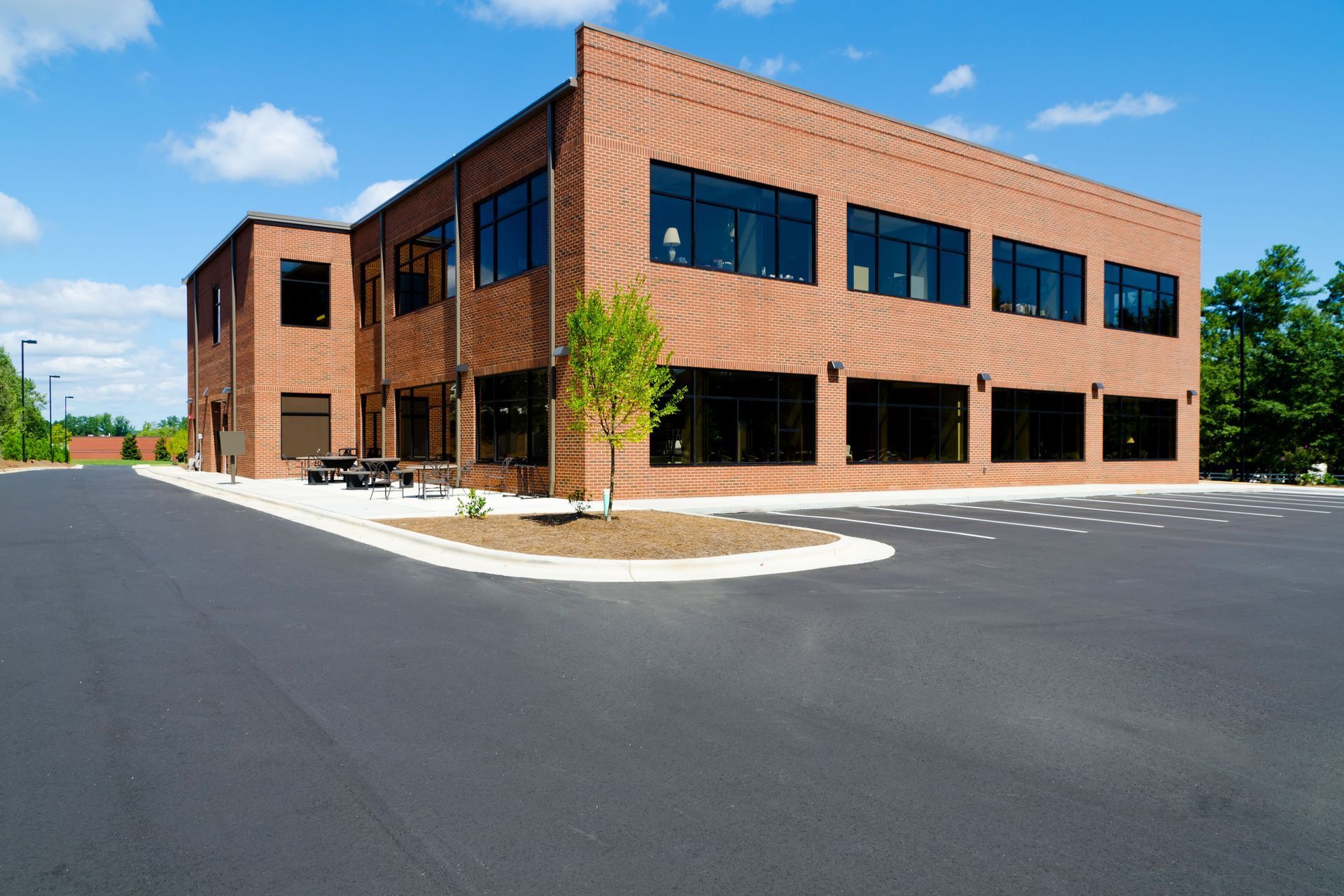
Properties with multi-story layouts or east-west architectural orientations frequently experience severe temperature imbalances between different rooms. Upper levels and sun-facing rooms often absorb massive solar heat loads while northern or ground-level spaces remain cooler, making whole-building climate control difficult to balance. Installing residential window tint across targeted glass exposures balances heat absorption across all exterior windows. Standardizing solar performance across every window elevation helps central thermostats maintain even, predictable temperatures from room to room without requiring localized cooling adjustments.
Eliminating severe room-to-room temperature swings allows central climate control systems to perform as originally designed. Thermostats register accurate, uniform temperature readings throughout the floor plan rather than reacting to localized heat pockets in unshaded rooms. This balanced airflow creates a harmonious living environment across every level of your home, ensuring every bedroom, office, and living area provides maximum comfort and climate control throughout every season.
Investing in professional solar control film provides a practical, long-term solution for stabilizing indoor temperatures and enhancing overall building energy performance. Upgrading your glass surfaces blocks unwanted heat gain, mitigates harsh glare, reduces seasonal energy costs, and protects interior finishes against UV degradation. Contact Tint Master Custom Window Tinting today to schedule a consultation and discover how custom window film can transform your indoor environment.