August 14, 2026
Bright sunshine brings warmth and life into any house, but excessive exposure creates unexpected household challenges. Unfiltered sunlight entering through bare glass can compromise daily comfort, increase cooling expenses, and damage valuable interior possessions over time.
Homeowners often struggle to find effective ways to manage intense solar energy without constantly closing curtains or blocking natural daylight. Relying entirely on heavy drapes creates dark indoor spaces that require artificial lighting throughout daytime hours.
Investing in high-quality film applications offers a modern, practical solution for these persistent solar hassles. Adding film coatings allows property owners to maintain scenic outdoor views while gaining complete control over incoming thermal radiation.
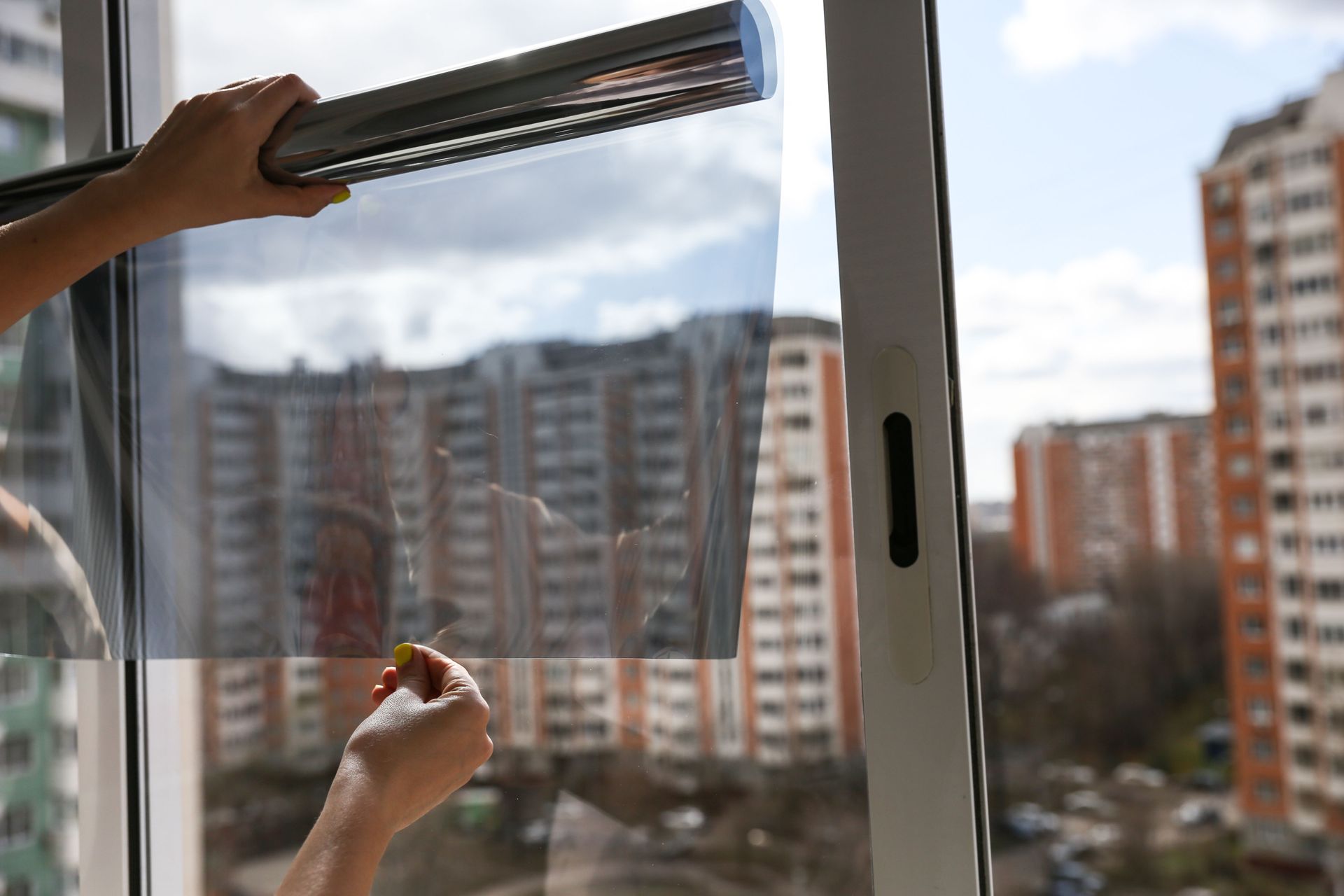
Applying protective films creates an invisible shield across exterior glass surfaces. Choosing residential window tinting transforms standard glass into a high-performance barrier that keeps interior living areas pleasant, balanced, and energy efficient during every season.
Understanding the specific architectural challenges solved by surface films empowers property owners to make informed decisions. Here are six common residential issues that protective glass treatments successfully resolve for modern homeowners.
1. Block Harmful Ultraviolet Radiation
Sunlight traveling through standard glass windows carries invisible ultraviolet rays directly into living spaces. Continuous exposure to these rays poses significant health risks to occupants who spend long hours reading, lounging, or working near sunny windows.
Standard clear glass provides minimal defense against dangerous solar rays that penetrate exterior walls. Installing residential window tinting blocks nearly all incoming ultraviolet radiation before it passes through the glass pane into active family zones.
Eliminating high levels of solar radiation helps create a much safer indoor environment for everyone. Family members can enjoy bright, sunlit rooms without worrying about long-term skin exposure or subtle eye strain caused by intense natural light.
Protecting your household from invisible ultraviolet rays ensures peace of mind throughout daytime hours. Modern surface films provide continuous defense without requiring constant physical adjustments to window treatments or interior shades.
- Reduces daily exposure to invisible solar radiation indoors
- Shields sensitive skin and eyes during peak daytime hours
- Maintains open views without relying on closed window shades
2. Lower Escalating Monthly Energy Bills
Unfiltered solar heat passing through glass forces cooling systems to run constantly during warmer months. Air conditioners work overtime to combat rising interior temperatures, driving electricity costs higher each billing cycle.
Unprotected glass allows external heat to build up inside rooms continuously throughout late afternoon hours. This steady thermal transfer creates heavy financial burdens for property owners trying to maintain cool indoor spaces.
Integrating residential window tinting significantly reduces solar heat gain through exterior glass panes. Film coatings reflect thermal energy outward, helping air conditioning units operate efficiently without constant cycling.
Decreasing the workload on climate control equipment extends system lifespans while lowering repair demands. Homeowners enjoy substantially reduced monthly energy expenditures alongside improved year-round thermal consistency across all living areas.
Lower utility bills allow families to reallocate monthly funds toward home improvements or recreation. Investing in surface treatments offers long-term financial returns through steady energy savings every billing cycle.
Controlling solar thermal transmission keeps internal environments stable during extreme weather patterns. Consistent heat management prevents cooling systems from experiencing excessive strain during scorching summer months.
3. Eliminate Distracting Indoor Sun Glare
Direct sunlight hitting screens and reflective surfaces creates harsh glare that disrupts daily activities. Working on computers, viewing television screens, or reading handheld devices becomes challenging when intense reflections bounce across living areas.
Constantly adjusting blinds or moving furniture to avoid harsh brightness grows frustrating over time. Closing window coverings eliminates glare but leaves rooms dark, forcing reliance on artificial overhead lighting during daytime hours.
Treating exterior glass with residential window tinting reduces intense glare while preserving natural illumination. The specialized film softens bright sunlight, allowing clear visibility on digital monitors without darkening indoor spaces.
Occupants can comfortably enjoy sunlit home offices, media rooms, and kitchens without annoying reflections. Managing incoming light quality enhances productivity and makes daily indoor recreation far more pleasant for everyone.
Softening harsh reflections creates a tranquil indoor ambiance ideal for relaxation and mental focus. Residents can move freely through sun-drenched spaces without encountering sudden blinding light reflections.
Improving visual comfort inside your living areas transforms how you experience your favorite rooms. Enjoying natural sunlight without visual interference makes reading, working, and entertaining far more satisfying.
4. Enhance Home Privacy and Security
Clear glass windows invite unwanted attention from passersby and neighbors, especially in densely populated suburban neighborhoods. Maintaining personal privacy often means keeping curtains drawn, which deprives living spaces of pleasant morning sunlight.
Exposed ground-floor windows also present potential security vulnerabilities by revealing valuable electronics and artwork to external onlookers. Finding a balance between openness and personal seclusion remains a priority for many families.
Specialized film treatments allow natural light inside while preventing outside eyes from looking indoors easily. According to HomeAdvisor, a visible light transmission level of 50% or below typically offers an ideal equilibrium between secluded privacy and clear natural sunshine inside living spaces.
In addition to enhanced privacy, film applications add a tough physical layer to glass panes. This reinforcement helps hold shattered glass together during accidental impacts, deterring potential intruders and protecting occupants from stray flying shards.
- Deters outside onlookers from viewing private interior spaces
- Holds broken glass securely together during unexpected impacts
- Preserves natural incoming light while maintaining home seclusion
5. Protect Interior Furnishings From Fading
Unprotected solar rays entering through bare windows cause irreversible fading on indoor belongings. Hardwood flooring, plush carpeting, vibrant artwork, and leather furniture gradually lose their rich colors when exposed to constant sunlight.
Replacing sun-damaged furniture and refinishing faded flooring requires significant financial investments over time. Rotating rugs or rearranging furniture offers only temporary relief against continuous, unavoidable solar degradation.
Applying residential window tinting acts as a powerful preserve against solar fading forces. The protective film filters out harsh light components, extending the vibrant life of valuable interior decor and expensive flooring materials.
Preserving original fabric colors and wood finishes maintains home aesthetic appeal and preserves property value. Homeowners enjoy beautiful, colorful interiors for decades without needing costly restoration work or premature furniture replacements.
Protecting internal decor allows homeowners to position valuable artwork and heirloom furniture anywhere. Families gain complete design freedom without worrying about targeted solar destruction in sunny rooms.
Maintaining vibrant interior finishes safeguards your investment in quality furnishings and custom flooring. Long-term defense against solar discoloration keeps your entire property looking pristine and well-maintained.
6. Stabilize Uneven Room Temperature Zones
Many multi-story residences experience severe temperature imbalances between different living zones. Rooms with large south-facing windows often feel uncomfortably warm, while interior hallways or northern rooms remain noticeably cooler.
These extreme temperature variations make managing home comfort difficult for residents moving between spaces. Heating and cooling systems struggle to balance inconsistent thermal levels across different wings of the building structure.
Applying high-performance films across sun-drenched windows neutralizes localized hot spots effectively. Utilizing residential window tinting balances heat distribution, ensuring consistent temperatures throughout every floor and room in the house.
Eliminating drastic hot spots transforms formerly uncomfortable sunny rooms into inviting, usable living areas. Family members can comfortably relax in any room regardless of sun position or time of day.
Achieving balanced thermal conditions throughout the home enhances overall family contentment and daily convenience. Balanced interior climate management creates welcoming, harmonious environments across every level of your house, providing exceptional comfort every single day.
Eliminating hot spots restores total functionality to every square foot of your living area. Every family member can comfortably occupy any room throughout the afternoon without facing uncomfortable temperature spikes.
Managing solar heat, harsh glare, fabric fading, and elevated energy costs begins with treating your exterior glass. Applying
residential window tinting resolves common household challenges efficiently while enhancing daily privacy, overall security, and indoor aesthetic appeal. Take full control of your home climate and protect your interior investments by contacting Tint Master Custom Window Tinting for expert glass film solutions tailored specifically to your residential needs.