November 21, 2026
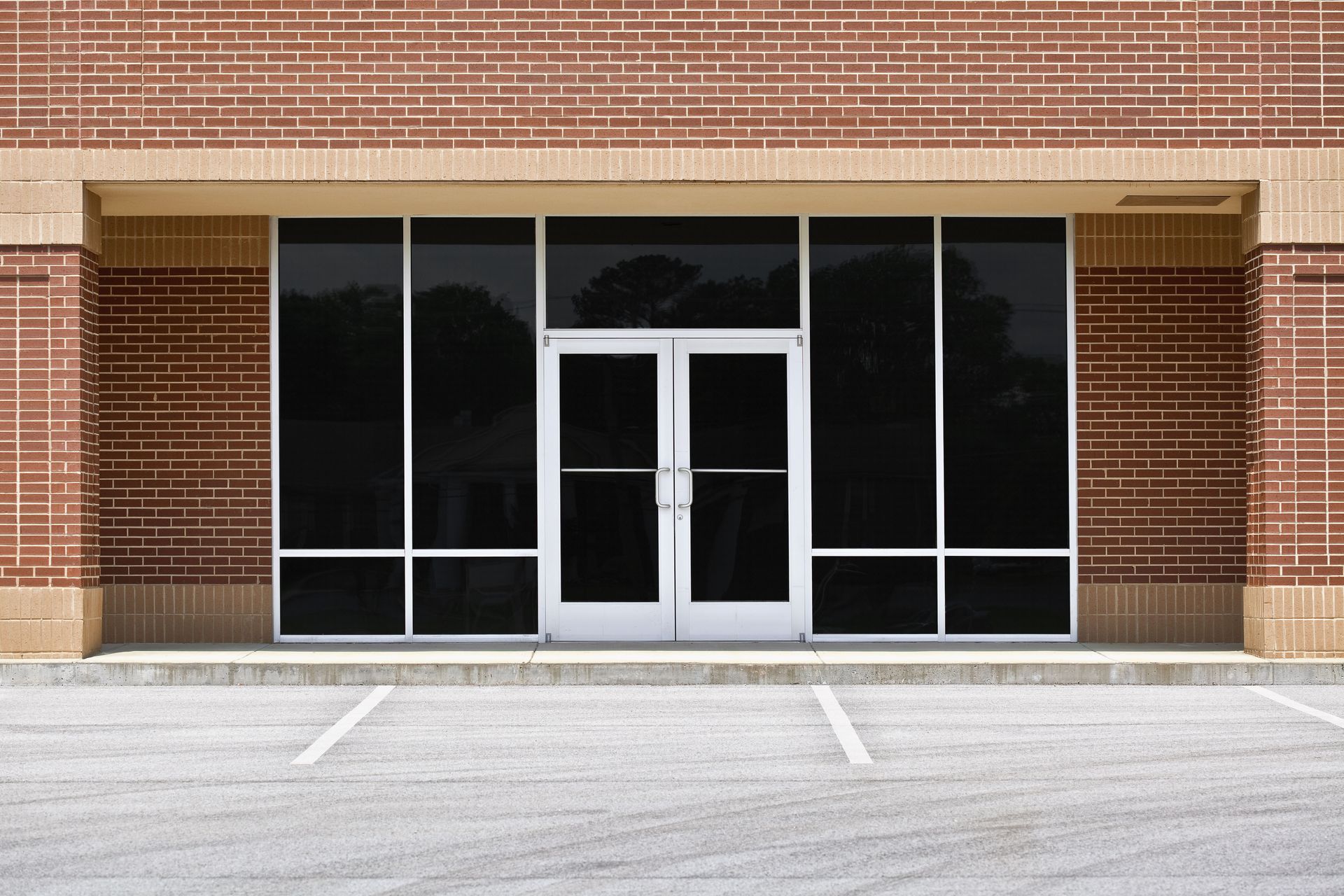
Retail spaces rely heavily on expansive glass storefronts and broad display windows to welcome foot traffic, showcase merchandise, and create an open atmosphere. While natural light provides an inviting ambiance, large panes of untreated glass present persistent challenges for brick-and-mortar storefronts. Solar heat gain, persistent glare, and ultraviolet radiation can quickly diminish interior comfort, drive up utility expenses, and damage valuable product displays. Maintaining a comfortable and visually appealing environment is essential for encouraging visitors to browse longer and complete purchases. Investing in commercial window tinting offers an effective, non-invasive method for modernizing retail buildings while addressing these thermal and optical challenges.
Decreasing Overhead Expenses Through Solar Control
Retail establishments run heating and cooling equipment for extended operational hours to maintain consistent indoor temperatures. Solar radiation penetrating untreated display windows increases internal thermal loads, placing tremendous strain on air handling units during peak daylight hours.
Lowering HVAC System Workloads
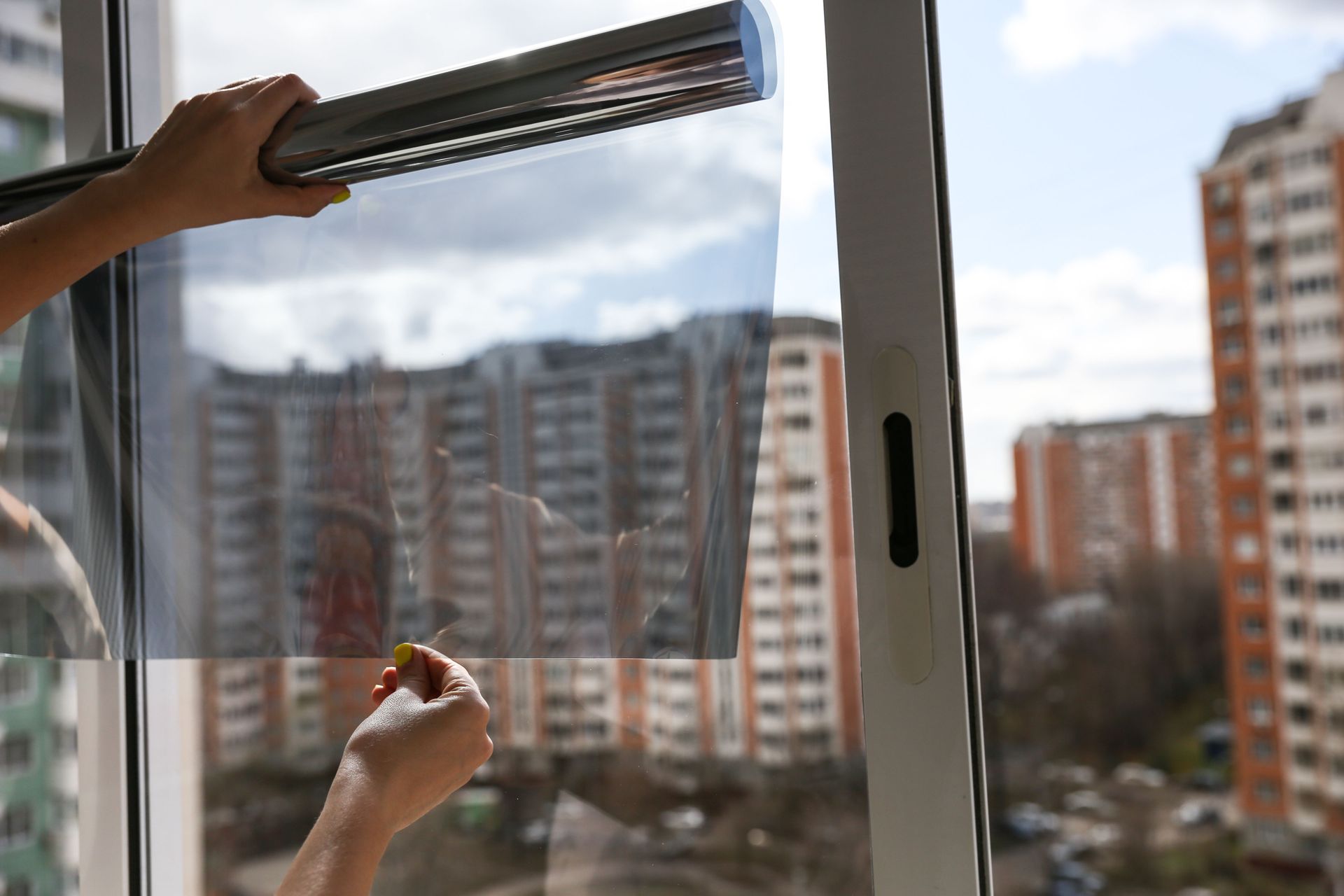
Solar heat gain forces air conditioning equipment to cycle constantly to counteract radiant heat. By applying commercial window tinting to broad storefront exposures, building envelopes reflect and absorb substantial amounts of incoming infrared energy before it enters the showroom floor. Reducing continuous thermal influx allows cooling units to reach set temperatures efficiently, minimizing component strain and reducing routine mechanical wear over long operational lifecycles.
Slashing Facility Energy Requirements
Unchecked solar exposure directly inflates electricity bills during warm seasons. Architectural films stabilize interior microclimates, smoothing out extreme temperature peaks across the sales floor. According to Buildings, adopting high-performance window film can slash facility power usage by at least 30%. Mitigating high electrical consumption allows commercial facilities to achieve greater sustainability benchmarks while freeing operational capital for other vital inventory needs.
Elevating the Customer Experience on the Sales Floor
The atmospheric quality of an indoor shopping environment directly influences consumer behavior, dwell time, and overall brand perception. High visual comfort and balanced indoor climates encourage shoppers to explore store aisles without distraction.
Eliminating Problematic Glare on Merchandise
Harsh midday sunlight creates intense glare across reflective surfaces, product packaging, and informational signage. Blinding reflections obscure product details, strain consumer eyes, and detract from carefully designed visual merchandising. High-grade commercial window tinting softens intense natural light without plunging the room into darkness, preserving clear sightlines and highlighting merchandise in balanced, flattering ambient illumination.
Maintaining Consistent Interior Temperatures
Showrooms with large south-facing or west-facing windows often suffer from pronounced hot spots along perimeter displays. Customers entering these pockets frequently rush past merchandise to escape stuffy, overheated conditions. Treating perimeter glazing ensures balanced temperature distribution across the entire footprint, creating a pleasant indoor climate that invites leisurely browsing across every corner of the store.
Safeguarding Valuable Store Inventory from Degradation
Merchandise positioned adjacent to exterior glass windows faces constant exposure to environmental factors that accelerate physical deterioration. Protecting floor displays from optical and thermal hazards preserves capital and reduces unsellable inventory losses.
Blocking Damaging Ultraviolet Radiation
Solar ultraviolet rays represent the primary catalyst behind photo-oxidation, a chemical degradation process that breaks down organic and synthetic color compounds. Clothing fabrics, leather goods, printed book covers, and packaged products placed near untreated windows fade and discolor rapidly when exposed to direct daylight. Professional commercial window tinting filters out approximately 99 percent of harmful ultraviolet wavelengths, extending the shelf life of window displays and keeping stock fresh.
Protecting Flooring and Display Fixtures
Sunlight damages more than just retail inventory; it also degrades physical retail investments, including hardwood flooring, custom display tables, wall paint, and promotional banners. Over time, radiant heat and ultraviolet exposure warp timber fixtures, bleach expensive carpets, and crack laminate display stands. Integrating protective films across exterior glass shields interior assets, helping maintain pristine store aesthetics without necessitating frequent interior refurbishment.
Enhancing Visual Privacy and Storefront Cohesion
A clean, uniform building facade conveys professionalism and polish, establishing positive first impressions for incoming shoppers while managing unwanted exterior visibility.
Obscuring Backroom Operations from View
Many retail stores utilize exterior glass sections near inventory storage zones, administrative desks, or processing stations. Keeping these operational spaces concealed from public view is necessary for maintaining an organized and uncluttered customer environment. Select varieties of commercial window tinting introduce one-way privacy or light tinting options that shield operational areas from street view while maintaining natural outward visibility for interior personnel.
Unifying Commercial Building Facades
Architectural glass across diverse commercial structures can vary in age, appearance, and interior arrangement. Mismatched window treatments, disorganized merchandise shelves, and varied interior lighting can produce a cluttered aesthetic from the sidewalk. Applying uniform architectural film brings visual harmony to the exterior facade, presenting an attractive exterior presentation that elevates overall property appeal.
Optimizing Workplace Productivity for Store Personnel
Retail staff spend long shifts managing registers, organizing shelving, and assisting customers. The physical working conditions of the store directly affect their daily comfort, attentiveness, and service quality.
Reducing Optical Strain at Checkout Terminals
Modern point-of-sale systems, digital inventory tablets, and computer monitors are sensitive to ambient lighting conditions. Intense sunlight reflecting off screen monitors causes eye fatigue, headaches, and data entry errors during checkout processes. Utilizing commercial window tinting minimizes ambient screen reflections, allowing employees to read displays effortlessly and process consumer transactions quickly and accurately.
Supporting Daily Employee Wellbeing
Working near uninsulated glass during hot summer afternoons leads to physical fatigue and irritability. When cooling systems struggle against heavy radiant heat, employees experience persistent discomfort that can detract from their interpersonal interactions with shoppers. Providing a thermally regulated workspace helps retail staff maintain consistent energy levels throughout the workday, fostering an attentive, hospitable atmosphere for arriving guests.
Improving Interior Safety and Structural Integrity
Retail windows are exposed to accidental impacts, severe weather occurrences, and unpredictable environmental hazards. Reinforcing existing glass adds an invaluable layer of operational security to standard window panes.
Containing Hazardous Glass Fragments
Standard annealed or tempered glass can shatter abruptly when struck by foreign debris, severe weather, or accidental bumps from foot traffic. Unrestrained glass shards present severe safety hazards for customers and staff members within the immediate perimeter. Safety-oriented commercial window tinting features strong adhesive backings that help hold fractured glass panes intact upon impact, significantly diminishing the threat of flying shards during unexpected accidents.
Deterring Opportunistic Property Intrusion
Storefronts with clear, untreated glass provide easy visibility and access for opportunistic break-ins. Heavy-gauge architectural films strengthen the overall glass assembly, making forced entry significantly more difficult and time-consuming. Because the film holds fractured glass within the frame even under physical blunt force, it creates a resilient barrier that delays unauthorized access, discouraging potential intruders and safeguarding company assets.
Maximizing Natural Light Without Thermal Tradeoffs
Traditional solutions for managing sunlight often involve installing heavy blinds, drawn fabric shades, or dark curtains. While these coverings restrict heat and glare, they also disconnect retail interiors from the surrounding streetscape.
Preserving Open Views and Street Presence
Drawing window blinds eliminates the visual connection between potential customers on the sidewalk and the retail floor inside. A closed-off storefront can make a retail shop appear closed or uninviting from a distance, directly dampening walk-in traffic. High-performance commercial window tinting provides heat and glare control while retaining crisp outward and inward visibility, ensuring displays remain visible to passing pedestrians throughout the day.
Cultivating Inviting Daytime Lighting
Natural daylight offers positive psychological benefits that artificial fluorescent or LED lighting cannot fully duplicate. Sunlight brightens mood, enlivens spaces, and renders product colors true to life. By mitigating the negative components of solar energy—namely excessive heat gain, glare, and ultraviolet rays—architectural films allow retailers to harness the benefits of natural daylight without incurring thermal or optical penalties.
Modern retail management requires balancing visually dynamic storefront design with smart operational efficiency. Large glass installations remain a staple of welcoming retail architecture, but managing untreated glass requires effective physical solutions. By integrating
commercial window tinting, business owners protect store merchandise from premature ultraviolet fading, enhance interior customer comfort, eliminate terminal screen glare, and noticeably reduce building cooling loads. These multifaceted improvements collectively cultivate a brighter, safer, and more energy-conscious shopping space that supports daily staff productivity and long-term business success. For comprehensive guidance on selecting and applying the ideal architectural film solutions for your commercial storefront, contact Tint Master Custom Window Tinting today.